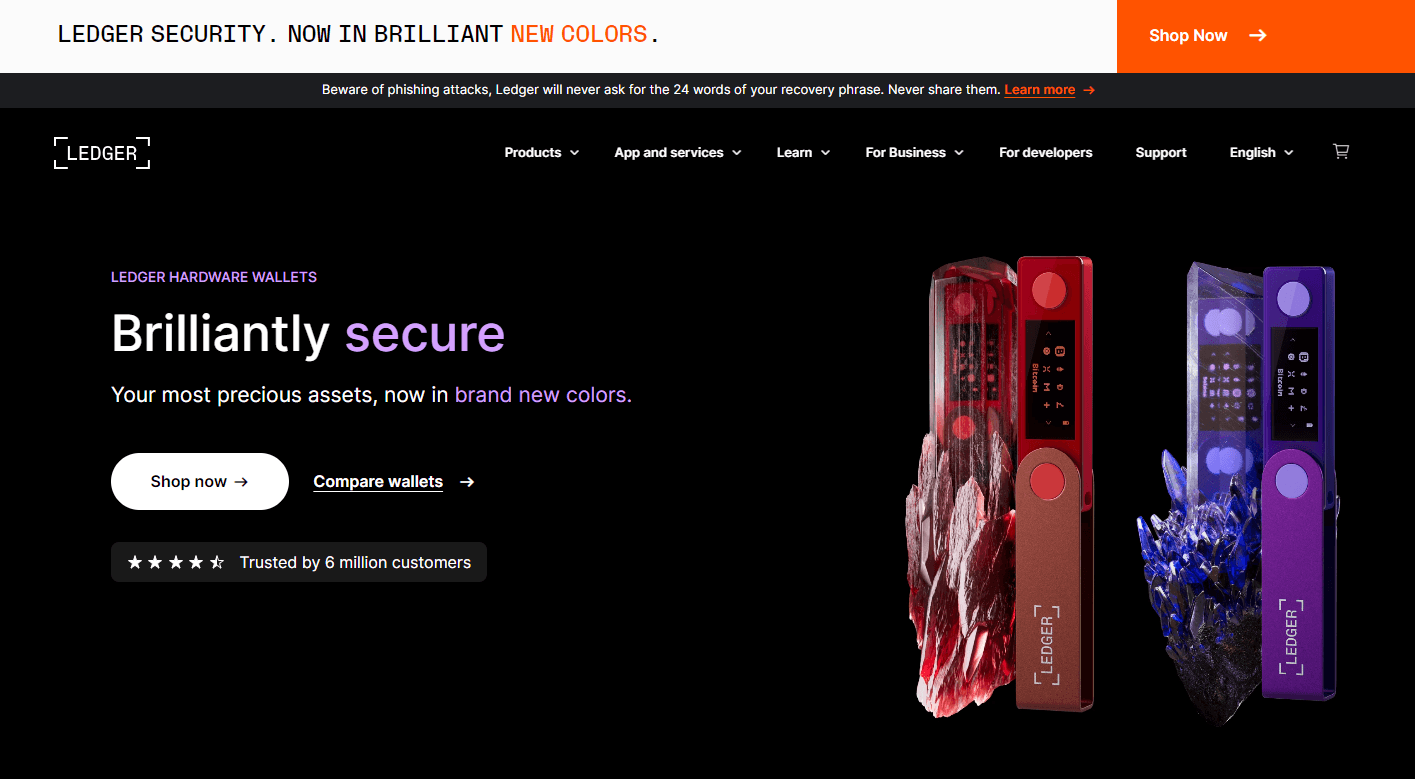
Ledger Login – A Complete Guide to Secure Access and Crypto Management
Managing cryptocurrency safely begins with choosing the right tools—and Ledger stands as one of the most trusted names in hardware wallet security. Whether you use a Ledger Nano X, Nano S Plus, or Nano S, accessing your wallet through the Ledger login process is essential for managing assets, approving transactions, and keeping your crypto protected. This guide explains everything you need to know about signing in, using Ledger Live, and maintaining the highest security standards while accessing your digital wealth.
1. Understanding the Ledger Login Process
Ledger devices are different from typical online accounts. You don’t log in with a username and password—instead, you authenticate using your hardware wallet, which stores your private keys offline. This ensures your crypto remains secure even if your computer is compromised.
Ledger login involves three parts:
Your Ledger hardware device
The Ledger Live application
Your PIN code
To access your assets through Ledger Live, your device must be connected and unlocked. No action is performed without confirming directly on your Ledger’s physical buttons.
2. Why Ledger Uses a Device-Based Login System
Unlike web-based wallets, Ledger prioritizes offline security. The private keys that authorize transactions never leave your device. Even when you log into Ledger Live, the software only displays your portfolio; it does not hold or store private keys.
Benefits of Ledger’s login model include:
Protection against phishing attacks
No password leaks or online credential theft
Offline transaction signing
Full ownership and control of your assets
This model makes Ledger one of the safest ways to store cryptocurrency.
3. Preparing for Your Ledger Login
Before logging in for the first time, ensure your device and software are properly set up. If you’re a new user, you must first initialize your Ledger device and install Ledger Live.
Steps to prepare:
Ensure the device is genuine and sealed
Install Ledger Live from the official Ledger website
Have your PIN code ready
Connect your device to a secure computer or laptop
Once these steps are complete, you can begin the login process.
4. Step-by-Step Ledger Login Guide
Logging in to Ledger Live involves connecting your device and verifying your identity through your PIN. Here is the detailed process:
Step 1: Open Ledger Live
Launch the Ledger Live application. If you have not installed it yet, download it from the official Ledger website.
Step 2: Connect Your Ledger Device
Plug your Ledger Nano into your computer using the provided USB cable.
Step 3: Enter Your PIN
Unlock the device by entering your PIN. Use the physical buttons to input each digit.
Step 4: Allow Ledger Live Access
Once unlocked, Ledger Live will recognize your device and grant access to your accounts.
Step 5: Navigate Your Portfolio
After login, you can:
View your crypto balances
Send and receive digital assets
Install or remove apps
Manage account settings
Every action that affects your crypto requires confirmation directly on your Ledger device, ensuring unmatched security.
5. Troubleshooting Ledger Login Issues
Sometimes users may encounter difficulties logging into Ledger Live. Below are common problems and solutions.
Device Not Recognized
Try reconnecting the USB cable
Use a different USB port
Ensure the device is powered on and unlocked
Update Ledger Live to the latest version
Incorrect PIN
If you enter the wrong PIN repeatedly, the device will reset for your protection. Always double-check each digit before confirming.
Firmware or Software Outdated
Older versions may not connect properly. Update both Ledger Live and your device’s firmware through the app.
Computer Security Conflicts
Disable antivirus temporarily if it blocks the connection. Add Ledger Live to your system’s trusted list.
6. Ledger Login Security Tips
Ledger combines hardware-level protection with strict verification to safeguard your assets. Following security best practices will further enhance your protection.
Essential safety tips:
Never share your recovery phrase with anyone
Do not type your recovery phrase into any website or app
Keep your device in a secure location
Avoid using public computers or networks
Enable advanced features like passphrase protection if needed
Your crypto is only as safe as your security habits.
7. What You Can Do After Logging In
Once logged in, Ledger Live becomes your crypto management dashboard. It supports a wide range of assets, including Bitcoin, Ethereum, XRP, and various ERC-20 tokens.
Key features:
Portfolio Overview: Track the value of your holdings in real time
Send/Receive Crypto: Approve transactions securely through your device
Buy, Sell, Swap: Perform exchanges through integrated partners
Install Apps: Add blockchain apps depending on the coins you want to manage
Staking Options: Earn rewards on supported assets
Ledger keeps sensitive operations offline, giving you complete command over your crypto.
8. Why Ledger Login Is Safer Than Online Wallets
Unlike browser wallets or online exchange accounts, Ledger’s login system ensures that:
Private keys stay offline
Malware cannot steal your assets
Hackers cannot access your funds remotely
Phishing websites cannot trick you into entering recovery phrases
Even if your computer is infected, Ledger’s secure environment prevents attackers from approving unwanted transactions.
9. Conclusion
The Ledger login process is central to safely managing and protecting cryptocurrency. By using a hardware wallet combined with the Ledger Live application, you gain strong security, full control, and peace of mind. Whether you’re checking your portfolio, sending crypto, or exploring new blockchain apps, Ledger’s secure login keeps your digital assets protected. With proper security habits and careful device management, Ledger remains one of the best and most trusted solutions for crypto storage.